
When John Borkert looks back at the path that eventually brought his family to Kapsowar, it doesn’t begin with Africa.
It begins in Colorado, with a good job, a good church, a home they loved, and a career that was moving steadily upward.
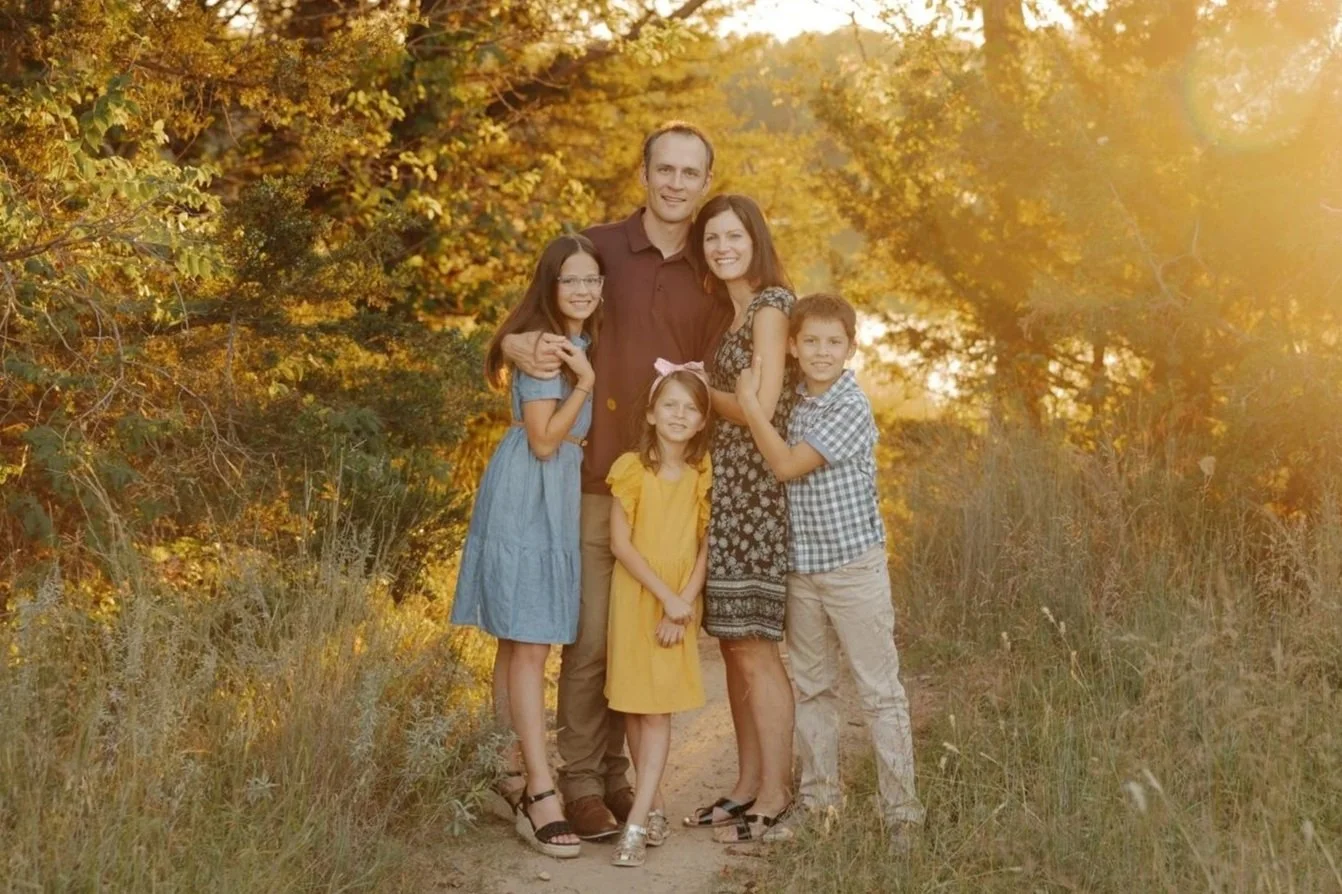
John’s interest in medicine started early, watching his dad practice family medicine in the suburbs of Denver. As a child, he sometimes tagged along to the hospital while his dad rounded on patients. What stayed with him wasn’t only the medicine. “I saw the humanity that my father had with his patients,” John remembers. His dad knew their diagnoses, but he also knew their families, their struggles, and their lives outside the clinic.
“There are very few professions where you can close the door and within three questions ask all these very intimate, detailed questions and get to know people in a way that I think is unusual.”
Medicine seemed to bring together two things John already loved: people and science. So he pursued it through college, medical school, and residency, eventually returning to Colorado with his wife, Kate, and beginning a career in adult hospital medicine.
Years into that career, things were going well. John was happy in his work and had gradually taken on more leadership within a large hospital system. One day, a supervisor sat him down and told him he was one of a handful of physicians they could see eventually becoming chief of staff or Chief Medical Officer.
It was a good trajectory, and one John hadn’t necessarily sought out. But around the same time, he and Kate had begun asking some bigger questions about the life they were building.
Their small church community in Colorado had become deeply formative for them. It was an intimate group, with a lot of life lived around tables and families deeply involved in one another’s lives. Together, they were asking what it actually meant to walk with God—not just to believe certain things about Him, but to let that faith shape the ordinary decisions they made.
“If God is who He says He is, what does it look like to follow Him for real?”
It was a question that began to press against the comfortable trajectory their lives were already on.
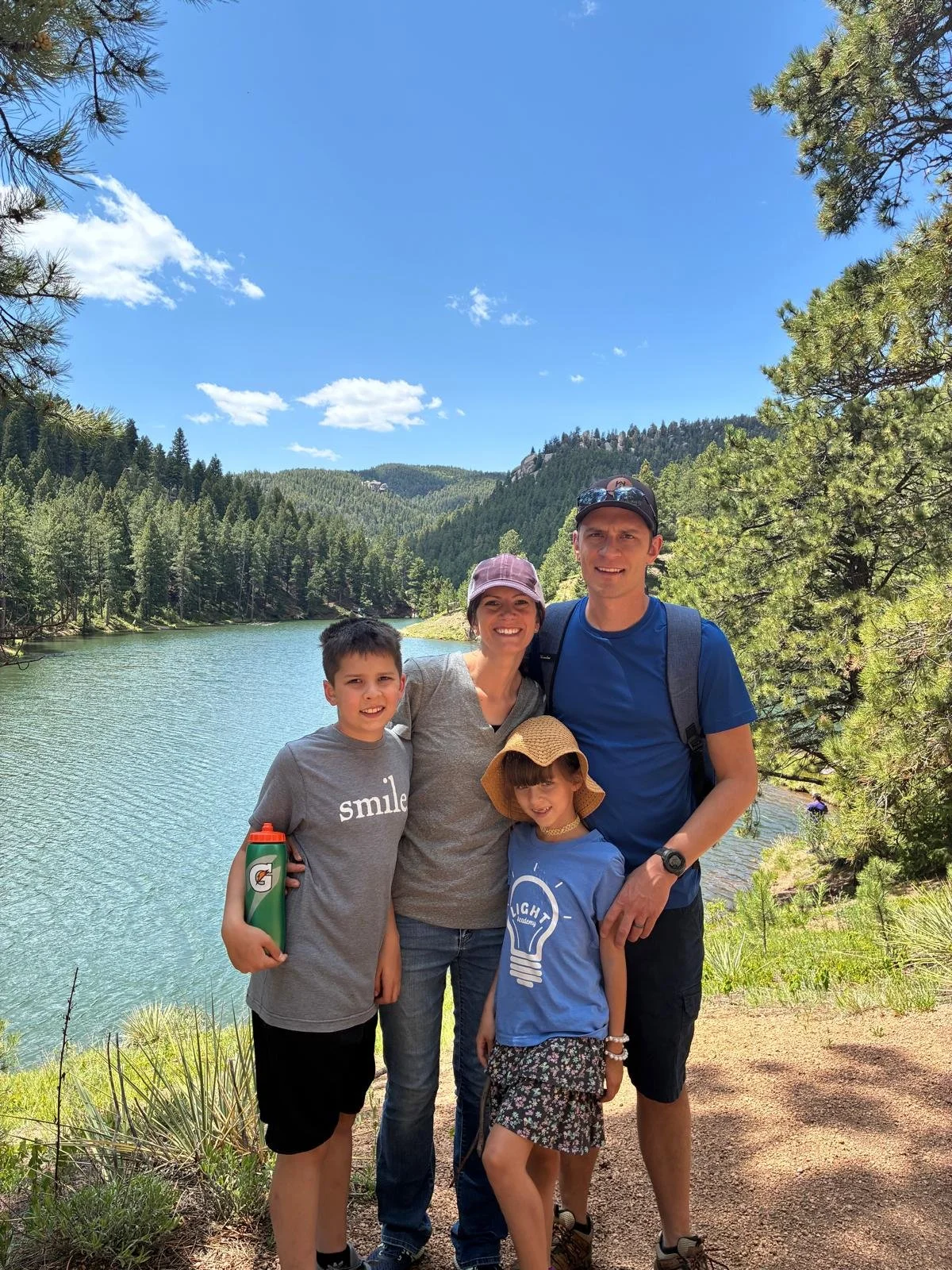
The Borkert family on one of their many Colorado adventures.
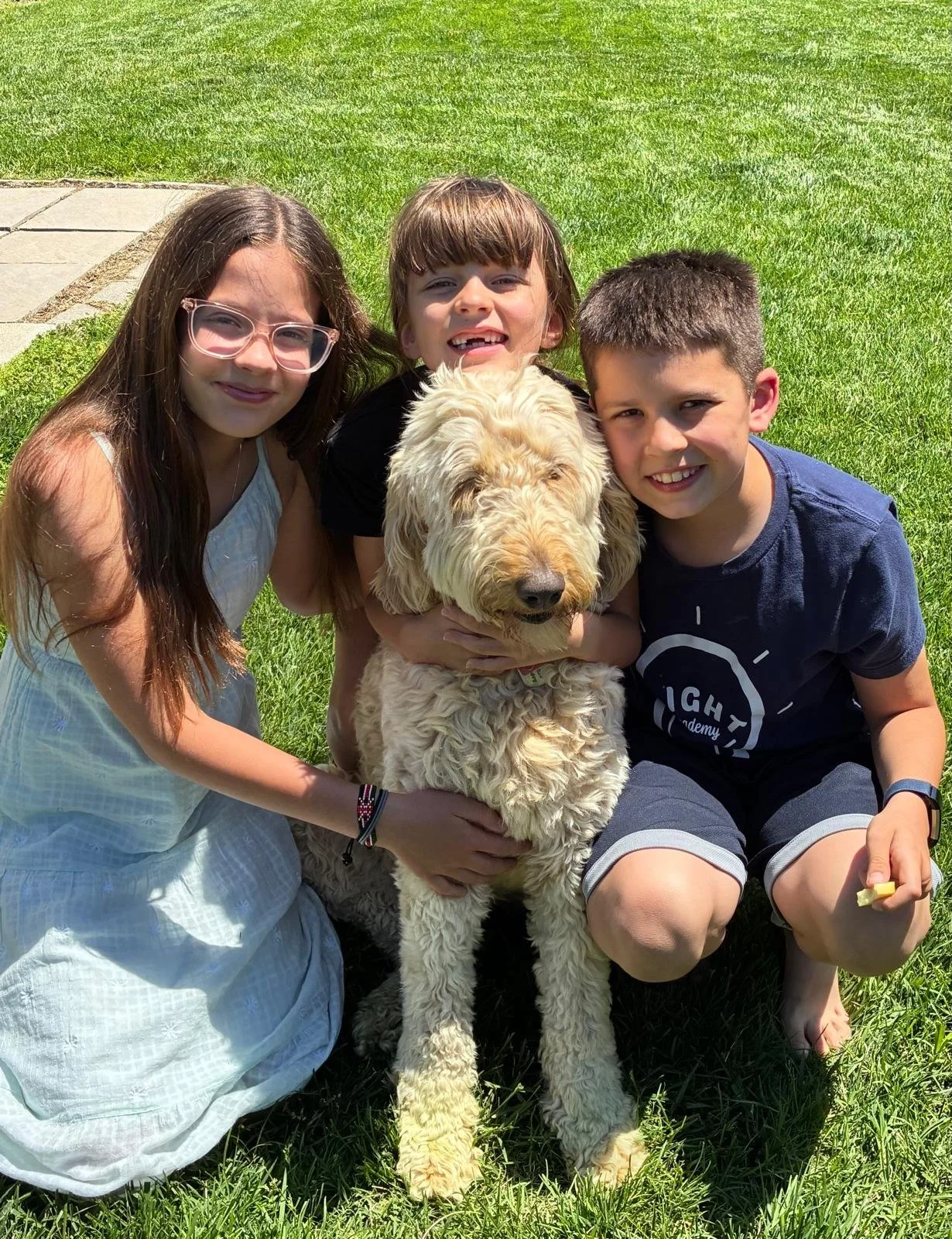
Addi, Aubrey and Silas with their furry friend, Aspen.
John describes a successful career in medicine as a kind of moving sidewalk. Once you’re on it, the next steps come fairly naturally. You keep working and advancing. You save for retirement, pay off the house, and move toward the next professional milestone. None of those things are bad.
But John and Kate began to wonder whether simply continuing down the path in front of them was the same thing as following where God was leading.
And that was a harder question because they genuinely liked their life.
“We enjoyed our life,” John says. “We really did. We had a lot of really good things going. Why would we deviate? Why would we change course from that?”
They had a career, a house, plans for the future, financial security, and a community they loved. The question wasn’t whether those things were good. It was whether they were willing to hold them loosely.
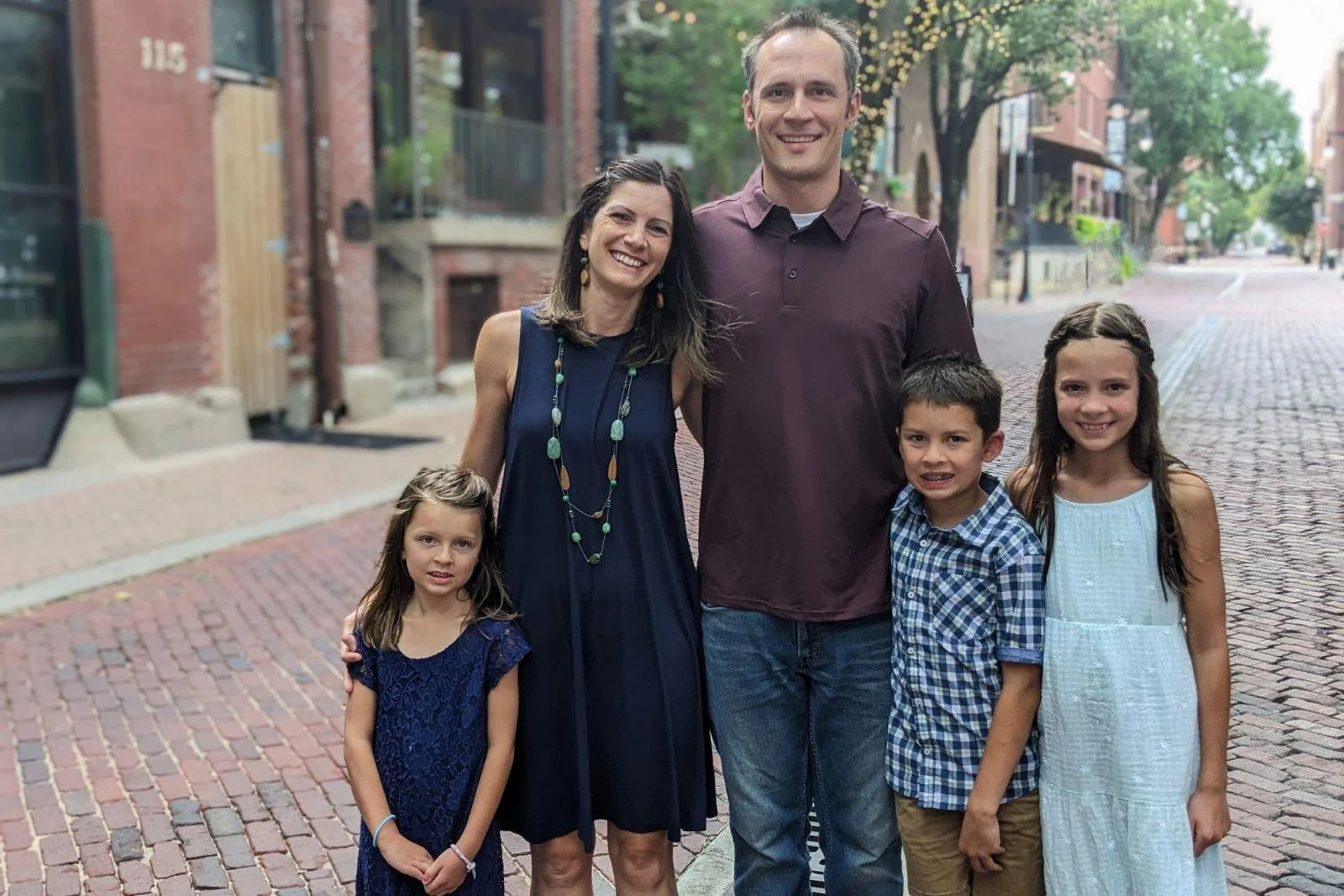
The Borkert family in 2023, during fellowship and before their move to Kapsowar.
John often describes what happened next with the picture of an open hand.
“God, I open my hands to You,” John remembers praying in essence. “We surrender this to You.”
He jokes that they certainly wouldn’t have minded if God handed some of those things right back. They weren’t trying to escape a life they disliked or searching for something more exciting. They were simply trying to become willing.
“It’s really a posture of saying, ‘God, what does it look like to hear from You, and what does it look like to be Your volunteer?’”
For John and Kate, that became the question underneath everything else. Not What should we give up? or even Where should we go? But simply: Are we willing to let God decide what comes next?
Eventually, those questions began pointing overseas. After first exploring Mercy Ships, John learned about the International Family Medicine Fellowship in Wichita, a program that prepares physicians to work in low-resource settings around the world.
He reached out mostly hoping to make some connections and, in the process, included all the reasons he probably wasn’t the right candidate. One of the directors wrote back with what John laughingly describes as a four-page email “systematically dismantling all the excuses I had.”
So John and Kate began seriously considering the fellowship. Even as the doors opened, though, John wasn’t completely eager to walk through them. When they traveled to Wichita for an interview, he remembers lying awake the night before, wrestling with what they were considering.
“There was still some part of me that was like, ‘Well, I don’t really want to do this.’”
Saying yes to this meant willingly leaving a lot that was good and familiar without knowing exactly what they were leaving it for.
“I had to struggle with that and wrestle with God a little bit,” John remembers. “Finally, I was like, ‘Okay, Lord. If this is what You have, we’ll do it.’”
When he was accepted into the fellowship, they said yes.
That made everything much more real. John called a meeting with his department and told them he was leaving. His colleagues were understandably confused. He was walking away from a stable position and a promising leadership trajectory for a one-year fellowship, with no clear plan for what would happen afterward.
“You’re choosing an exit ramp off this path,” John says. “You’re choosing an exit ramp that looks like it leads to nowhere.”
Over the next several months, the idea of open hands became much less theoretical. They sold things and eventually left their roughly 3,500-square-foot home for an 800-square-foot apartment in Wichita. They also tried to bring their three children—Addi, Silas, and Aubrey—into what was happening rather than treating it as something Mom and Dad had decided for them.
“We don’t know exactly what this looks like,” they told them, “but we want you to understand that God is leading us as a family.”
“This isn’t just about Dad or just about Mom. It’s about us as a family doing this.”
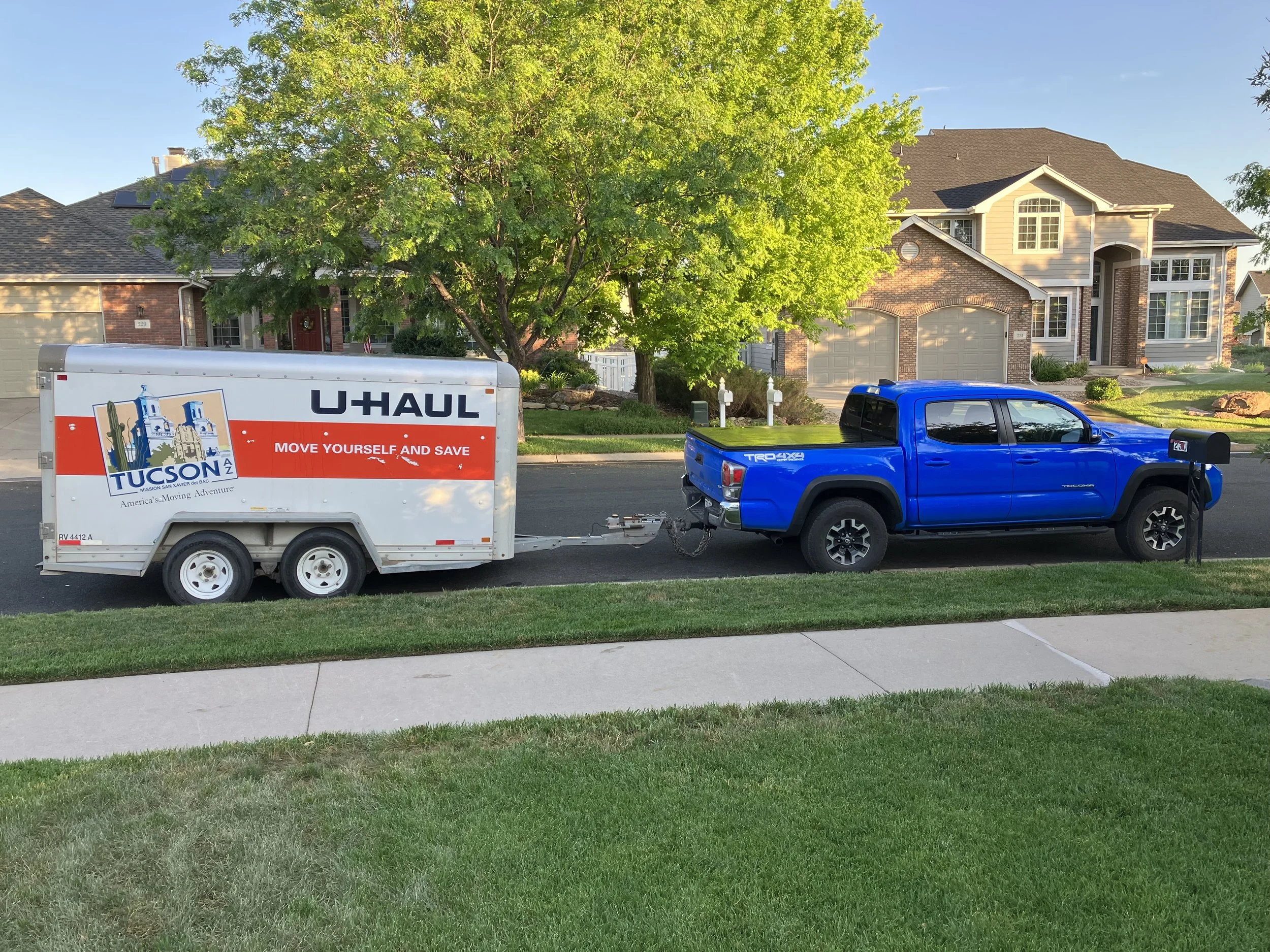
The moving truck packed and ready in Colorado—the beginning of the Borkerts’ long journey to Kapsowar.
And at that point, Kapsowar wasn’t even part of the plan.
The overseas portion of John’s fellowship was supposed to take their family to Niger. Then a military coup closed the country and those plans fell apart. The fellowship began looking for another hospital that could accommodate a physician coming with his family, and two possibilities in Kenya emerged: Chogoria and Kapsowar. There wasn’t housing available at Chogoria.
Which left Kapsowar—a place John and Kate had never heard of.
“Neither Kate nor I had ever been to Africa before,” John says. “So it was intimidating.”
They began praying about it, along with friends and people from their church. Slowly, it seemed that this was simply the next place to go. They still didn’t know what would come after it.
“We don’t know what the entire path looks like. We just know this is the next step we’re supposed to take.”
The Borkerts arrived in Kapsowar for what was supposed to be six months. John began working primarily in adult medicine at Kapsowar Mission Hospital, while Kate and the kids settled into life in a place very different from Colorado.
For their children, it also gave them something John and Kate had hoped for when they first started considering overseas medicine: a chance to see their dad’s work up close and to understand that medicine and ministry didn’t have to occupy separate parts of their family’s life.
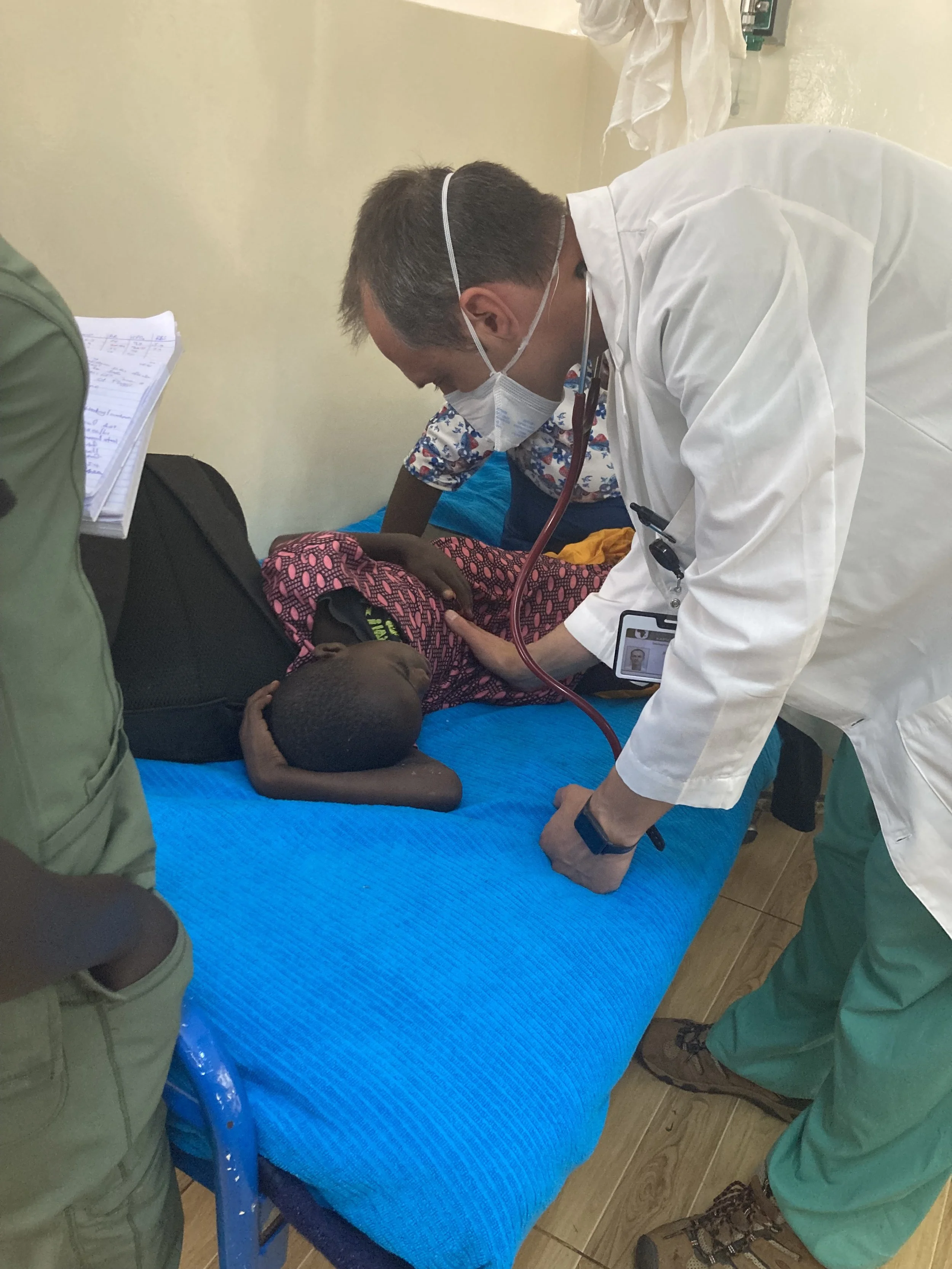
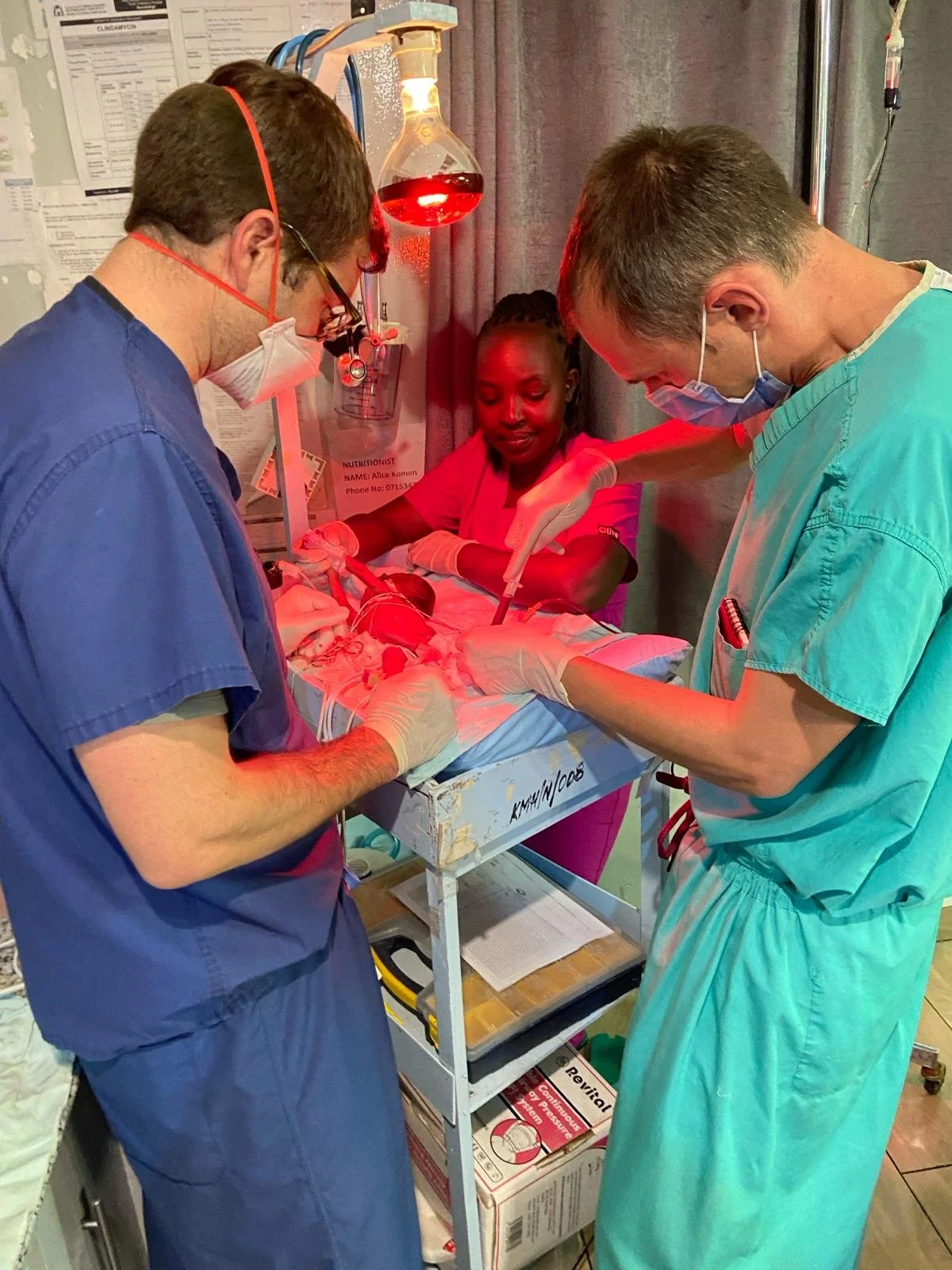
Somewhere during those six months, they also began to wonder whether Kapsowar might be more than a temporary stop.
There wasn’t one dramatic moment when they decided to return. John describes it more as a collection of small things that began to add up. Gerhard, who was serving as Chief Medical Officer at the time, told John that the hospital had specifically been praying for someone to come and help fill a gap in medicine. Meanwhile, John and Kate had been praying for God to show them where to go next.
“We were over here saying, ‘Lord, lead us and guide us.’ And it seemed like the Lord’s saying, ‘Okay, I’ll connect these things together.’”
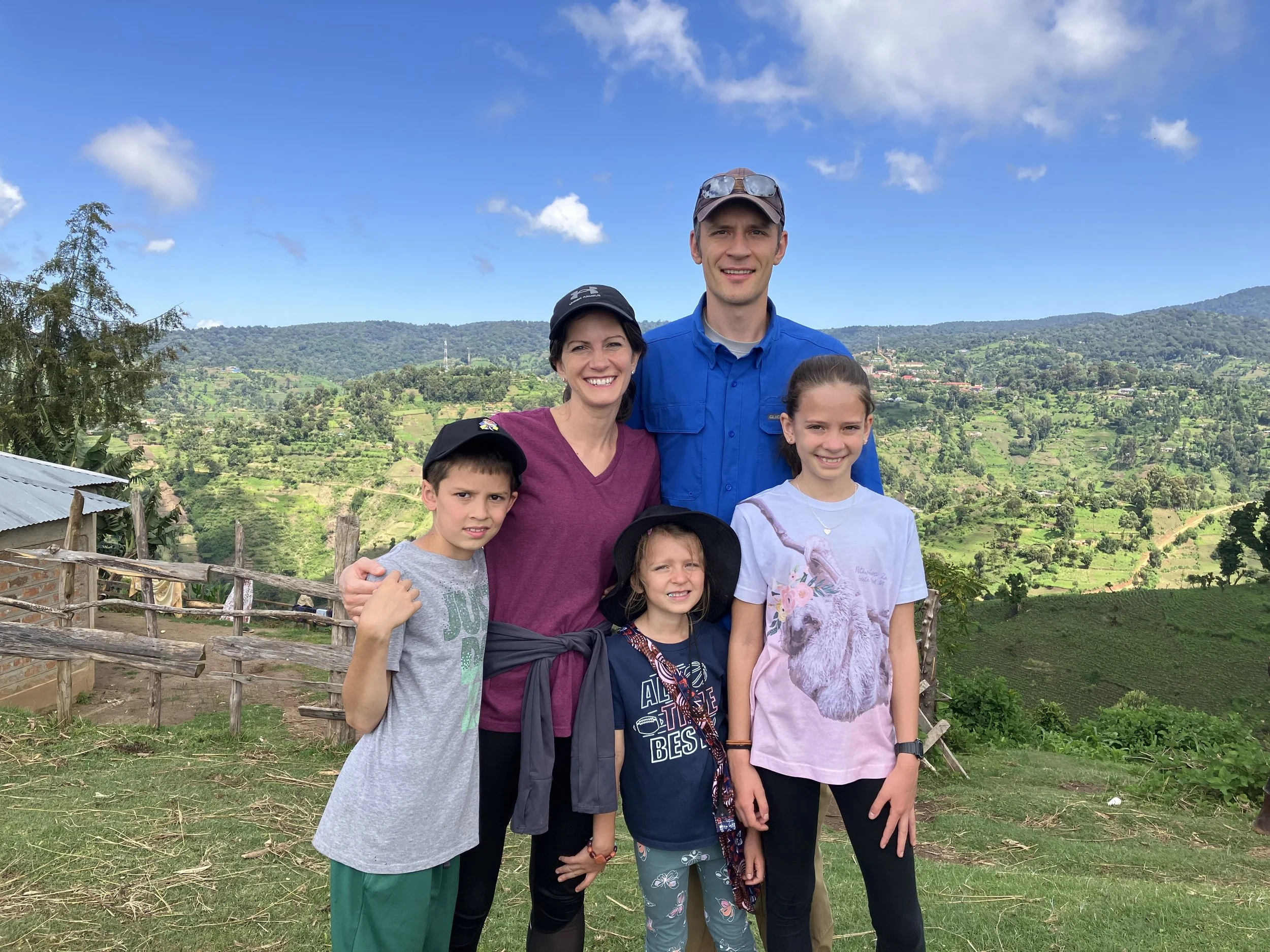
The Borkerts during their first six-month stay in Kapsowar for fellowship—the visit that would eventually lead them back for the long term.
They began talking with Serge about returning longer term. People in Kapsowar told them their presence had been an answer to prayer. Little by little, coming back began to seem less like an idea and more like the next step.
And yet going home was still very much an option. Their house was waiting in Colorado. John still had a per-diem contract at his old hospital. They could have returned and, in many ways, picked up where they left off.
Instead, they decided to keep moving toward Kapsowar. Their Colorado house went on the market and, within eight to ten hours, they had an offer above asking price. It became one more small confirmation among many that made them willing to keep going.
John is careful not to tell the story as though following God has given him a clear map of the future. If anything, their experience has been almost the opposite.
“I don’t know what the 20-year plan is,” he says. “I just know today and next week and next month, this is the place where God has me.”
Today, that place is Kapsowar. John serves in medicine and pediatrics at Kapsowar Mission Hospital, primarily working in adult medicine. Kate and their three children are here alongside him, part of the Serge team and the wider Kapsowar community.
The path that brought them here was not one big dramatic decision as much as a lot of smaller ones: leaving a career John loved, entering the fellowship, watching the door to Niger close, coming to a place they had never heard of, and then deciding to come back.
“Our commitment is to follow God, wherever that leads us.”
For now, He has led the Borkert family to Kapsowar. And we are very grateful He did.
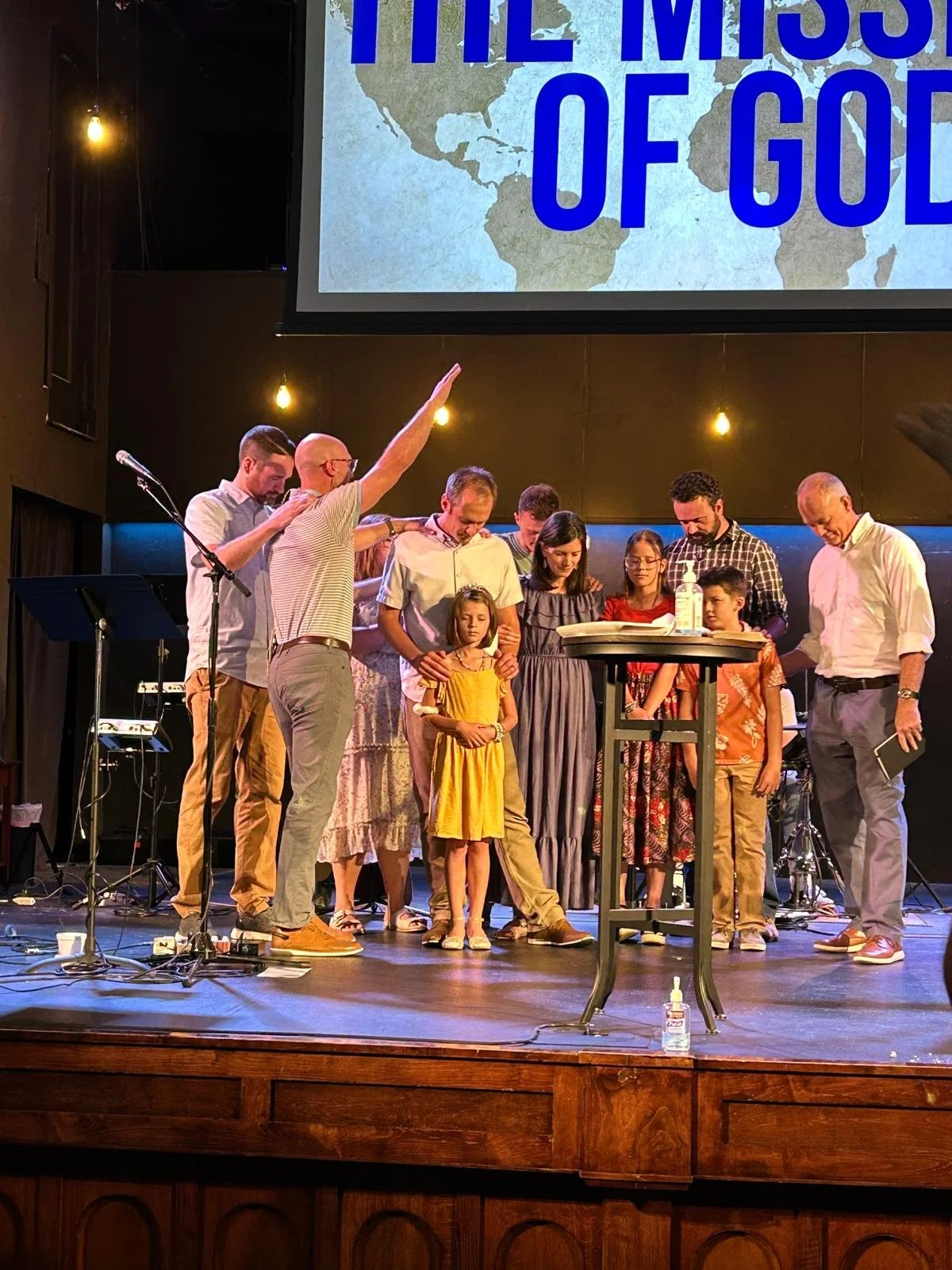
The Borkerts surrounded in prayer at their commissioning service, just before beginning their long-term move to Kapsowar.
Next time, we’ll pick up John’s story after his arrival in Kapsowar: what surprised him about practicing medicine here, the challenges he encountered inside the hospital, and why he and Kate ultimately decided this was a place they wanted to keep serving.