Protecting the Vision of Our Smallest Patients
Our newborn unit is one of the busiest departments at our hospital. On any given day, our team is caring for some of the most fragile patients imaginable—babies born as early as 27 weeks, fighting for life from their very first breath.
One of the serious complications some premature babies face is a condition called retinopathy of prematurity (ROP). Because these babies are born before their eyes have fully developed, the blood vessels in the retina are especially vulnerable.
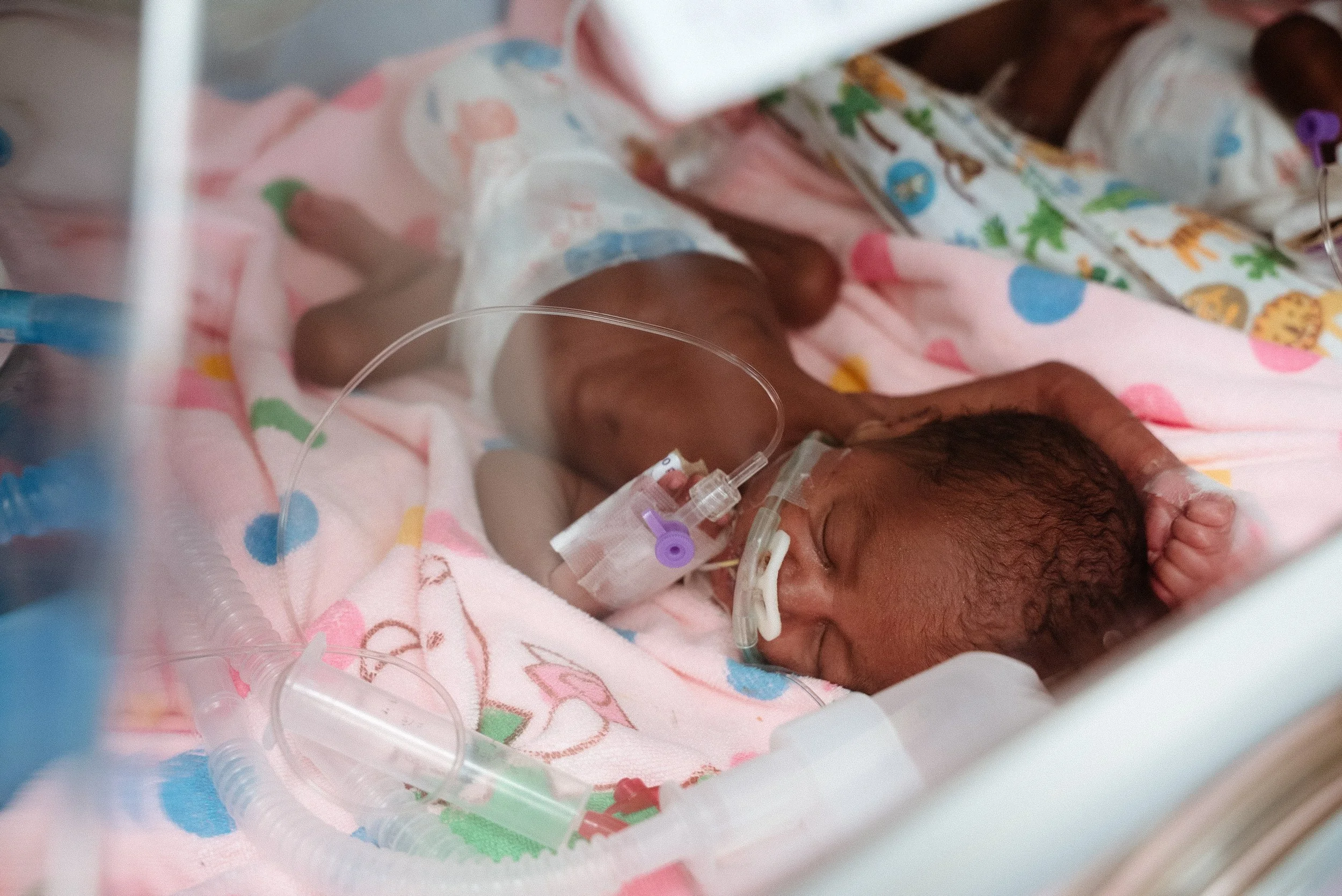
Born too soon, babies like this little one often need oxygen to survive. But too much oxygen can damage the delicate blood vessels in their developing eyes.
Oxygen is essential for their survival—but in settings like ours, where oxygen systems are less sophisticated than those in the West, levels can sometimes be too high or fluctuate. This can disrupt normal eye development and, in severe cases, lead to permanent blindness.
Thankfully, our visiting optometrist regularly screens our premature babies for early signs of retinal damage. When ROP is caught early, treatment can sometimes be as simple as a single injection called Avastin. This medication helps slow the abnormal blood vessel growth in the eye, giving the retina time to develop more normally and preventing further damage.
A single injection costs $315 — the equivalent of nearly four months’ wages for an average family.
For most, that places this life-saving treatment completely out of reach, which is why these medications are fully funded through donor support.
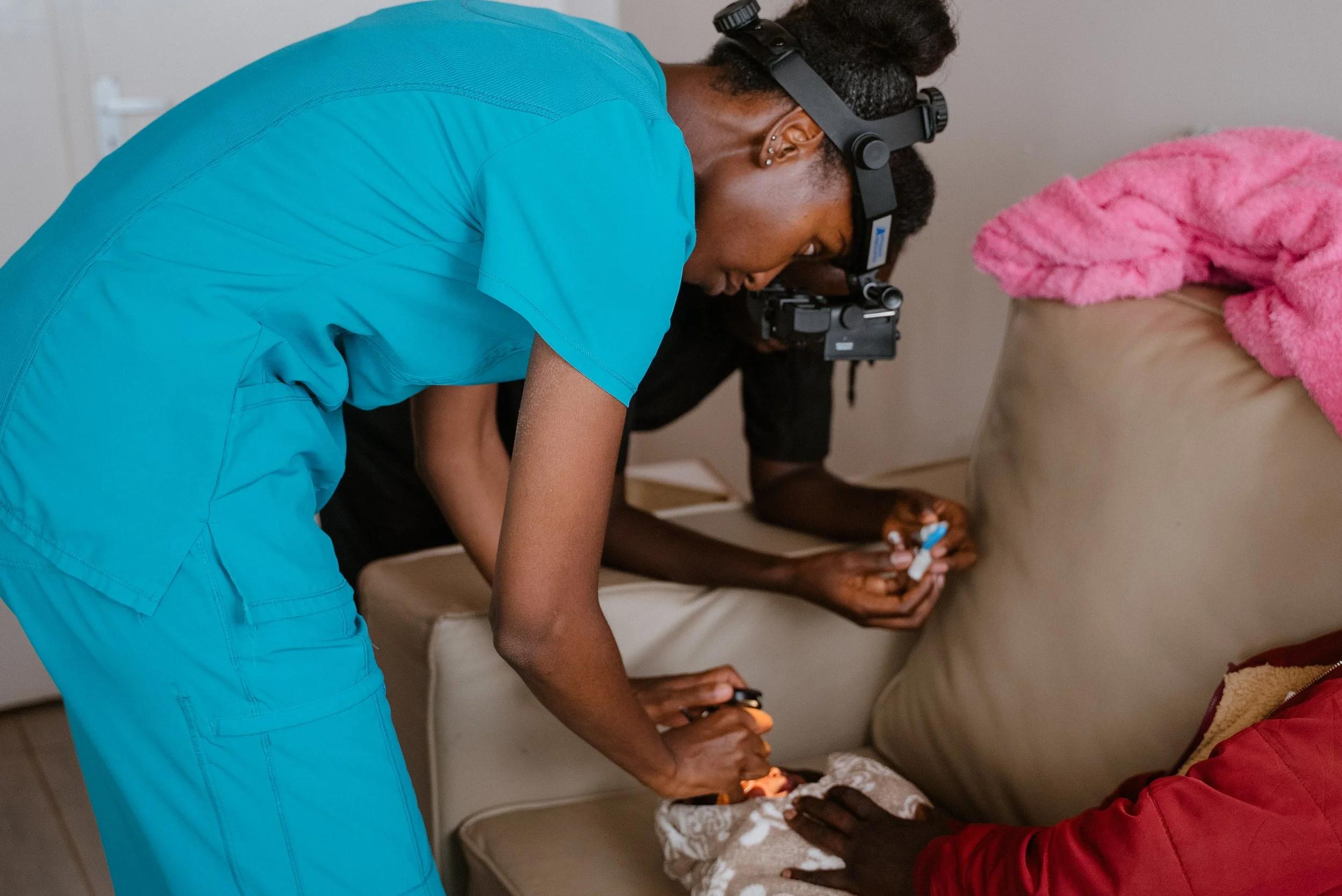
Dr. Anne, our visiting optometrist, gently screens a newborn for retinopathy of prematurity — a serious eye condition that can affect premature babies.
When the damage is more advanced, time becomes critical. In those cases, we immediately arrange for the child to be seen by a pediatric vitreoretinal surgeon.
There is only one surgeon in the entire country with this specialty, and he practices at the national referral hospital in Nairobi.
For many of our mothers, this journey is daunting. Most have never traveled outside their home county, and an eight-hour trip to Nairobi by public transport, while caring for a fragile newborn, can feel overwhelming. Our outstanding social work team often accompanies them, helping navigate an unfamiliar city and a complex healthcare system. And when the cost of transportation, lodging, or the procedure itself is out of reach, donor support makes it possible.
Helping a child preserve their long-term vision is always worth it.
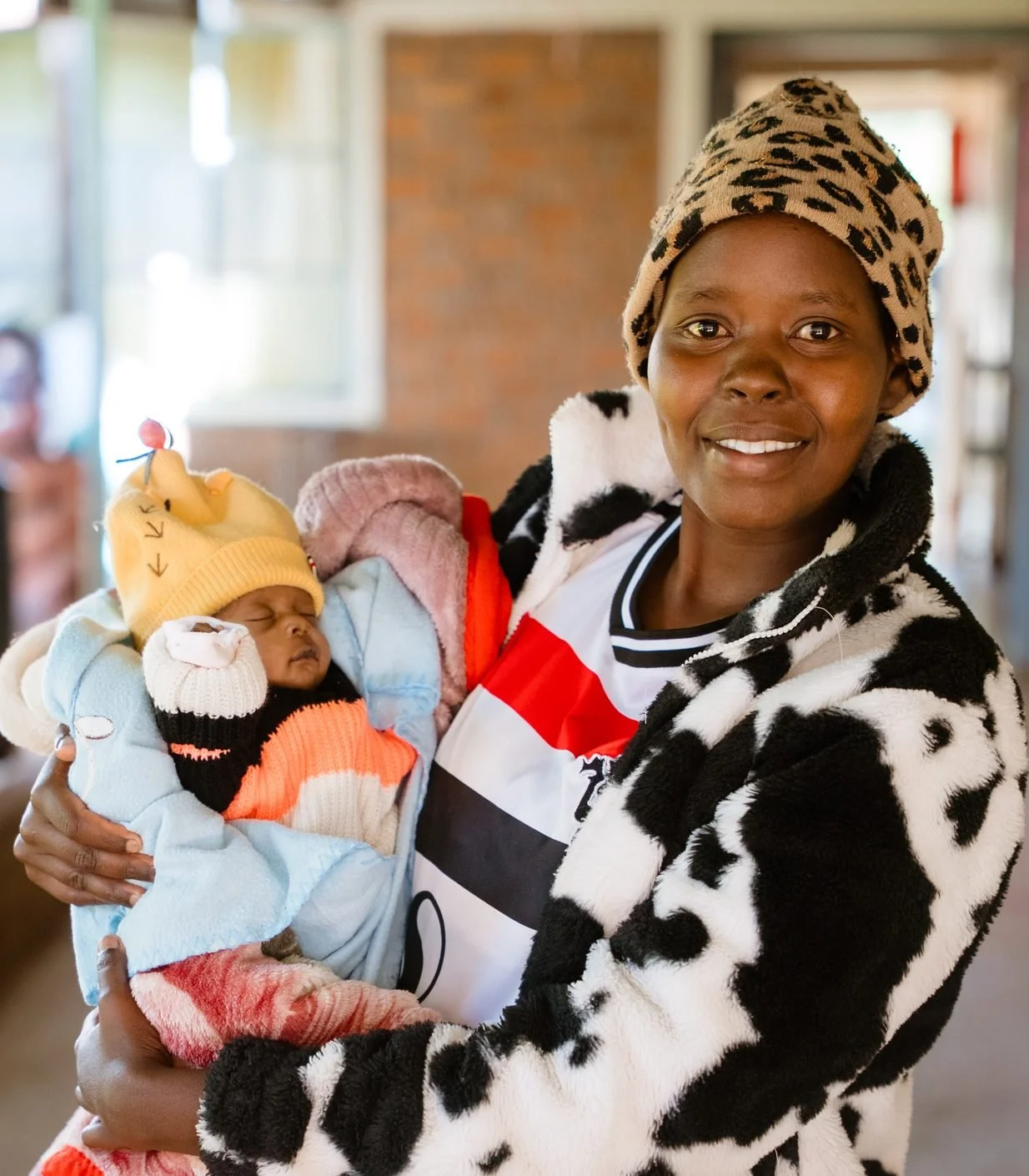
Baby Gian and his mom Betty, coming for a follow up visit after the procedure in Nairobi.
In January, Betty traveled with little Gian and one of our social workers to Kenyatta National Hospital for specialized laser surgery. Born at just 28 weeks and weighing only 2.5 pounds at birth, Gian was at high risk for vision loss. Thanks to timely treatment, the procedure was successful — and today, he’s back home with his eyesight preserved.
Next week, we’ll share a story with a different ending—one that reminds us why timely access to care matters, and how hope can still flourish even when outcomes fall short of our hopes.