
When Vivian learned she was pregnant again, she knew what her doctor had told her: Come back right away.
She had been pregnant twice before. Both times, she lost her baby between 17 and 19 weeks—far too early for either child to survive.
“It was a painful, stressful time,” Vivian remembers. “I didn’t know what was going on.”
During a visit to Kapsowar Mission Hospital before this pregnancy, Dr. Kim sat with Vivian and listened carefully to what had happened. The timing of her losses suggested cervical insufficiency—her cervix may have been opening too early, before her babies were ready to be born.
For the first time, Vivian had an explanation. There was also something the doctors might be able to do differently in another pregnancy—but they would need to see her early.
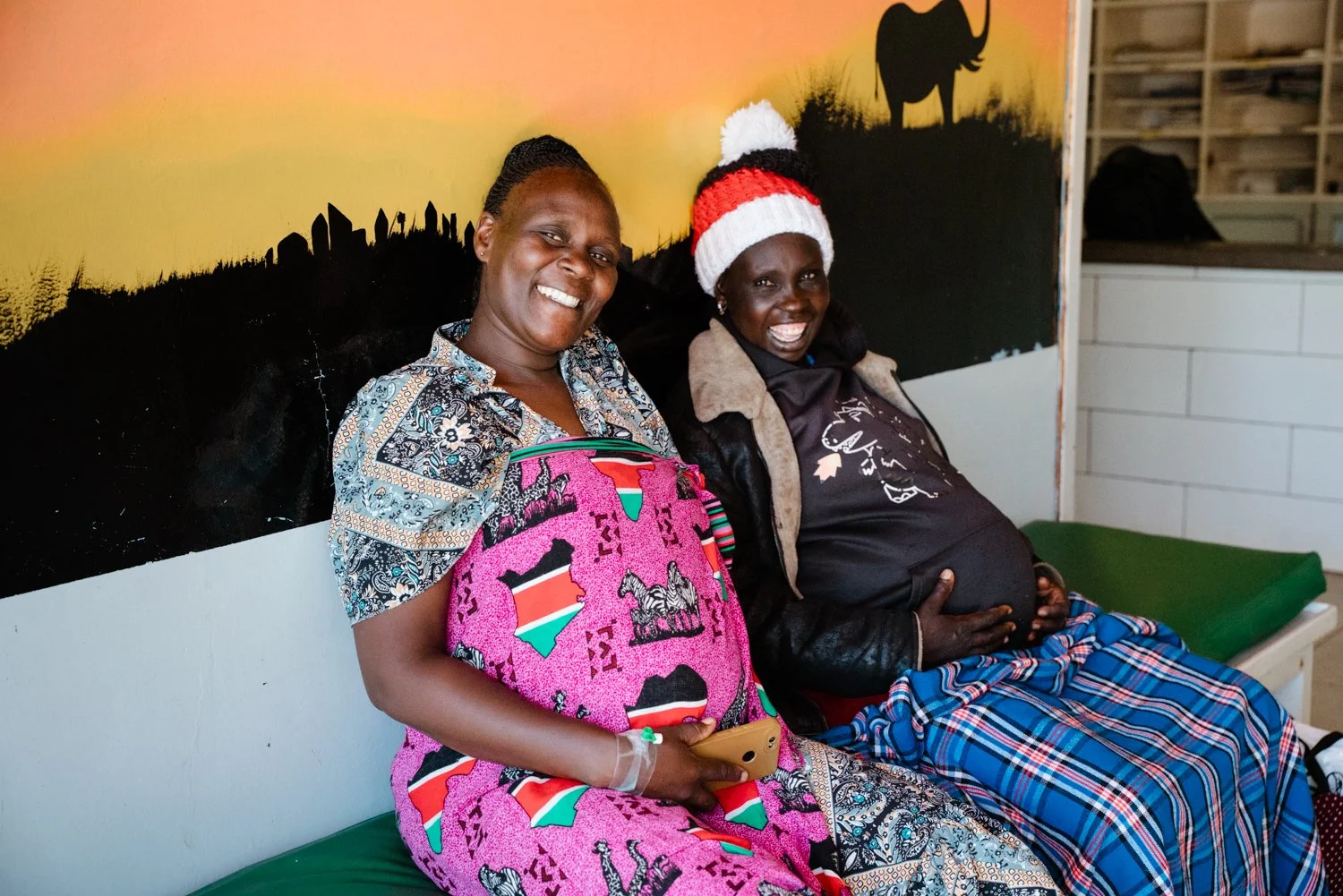
Expectant mothers wait to see a provider for prenatal care in Kapsowar’s maternity department.
So when Vivian became pregnant again, she returned to Kapsowar at just ten weeks.
That is unusually early here. Many women in the communities surrounding Kapsowar do not begin prenatal care until 28 or even 30 weeks. Cost is one of the reasons. But by then, some complications have become much harder—or impossible—to treat.
Because Vivian came early, her doctors had time.
They took a detailed history, performed an ultrasound, and helped her enroll in Kenya’s national health insurance program. Then, at the ideal point in her pregnancy, they performed a cerclage—a procedure that placed a small stitch around her cervix to help it remain closed until her baby was ready to be born.
“You might doubt at some moments,” Vivian said. “But I had courage.”
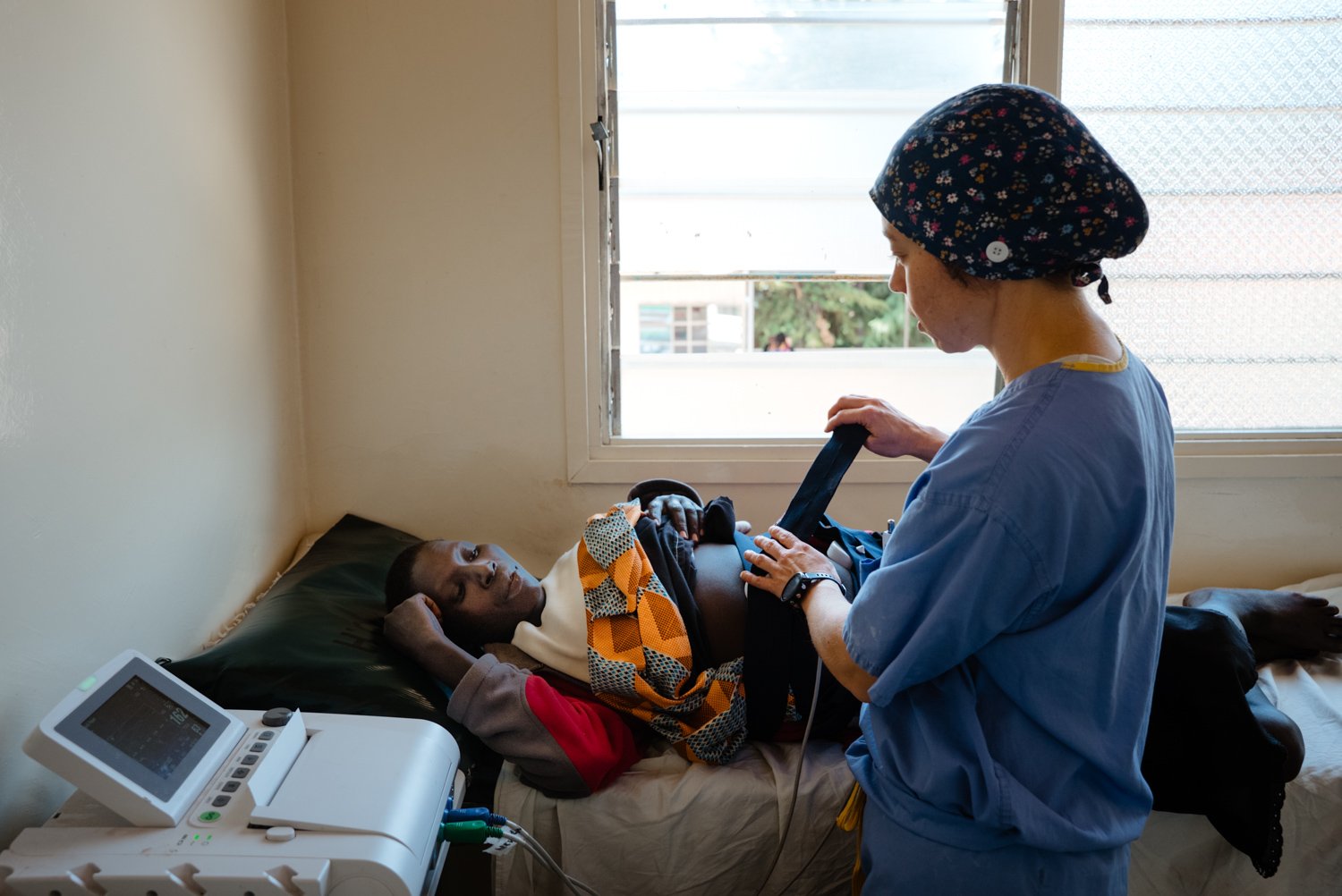
Dr. Abby performs a non-stress test to monitor a mother and baby. Many women traditionally wait until delivery to seek care, but our prenatal program is helping more mothers receive essential care earlier in pregnancy.
Month after month, she returned to Kapsowar. Her care team checked her blood pressure, monitored her baby’s growth, and watched the pregnancy progress. After what had happened twice before, each passing week mattered.
At 37 weeks, the stitch was removed. Her baby was growing exactly as expected. Vivian went home to wait.
Then, nearly at her due date, she returned to Kapsowar in labor.
This time, Vivian delivered a healthy baby boy—her first baby born alive and her first full-term delivery.
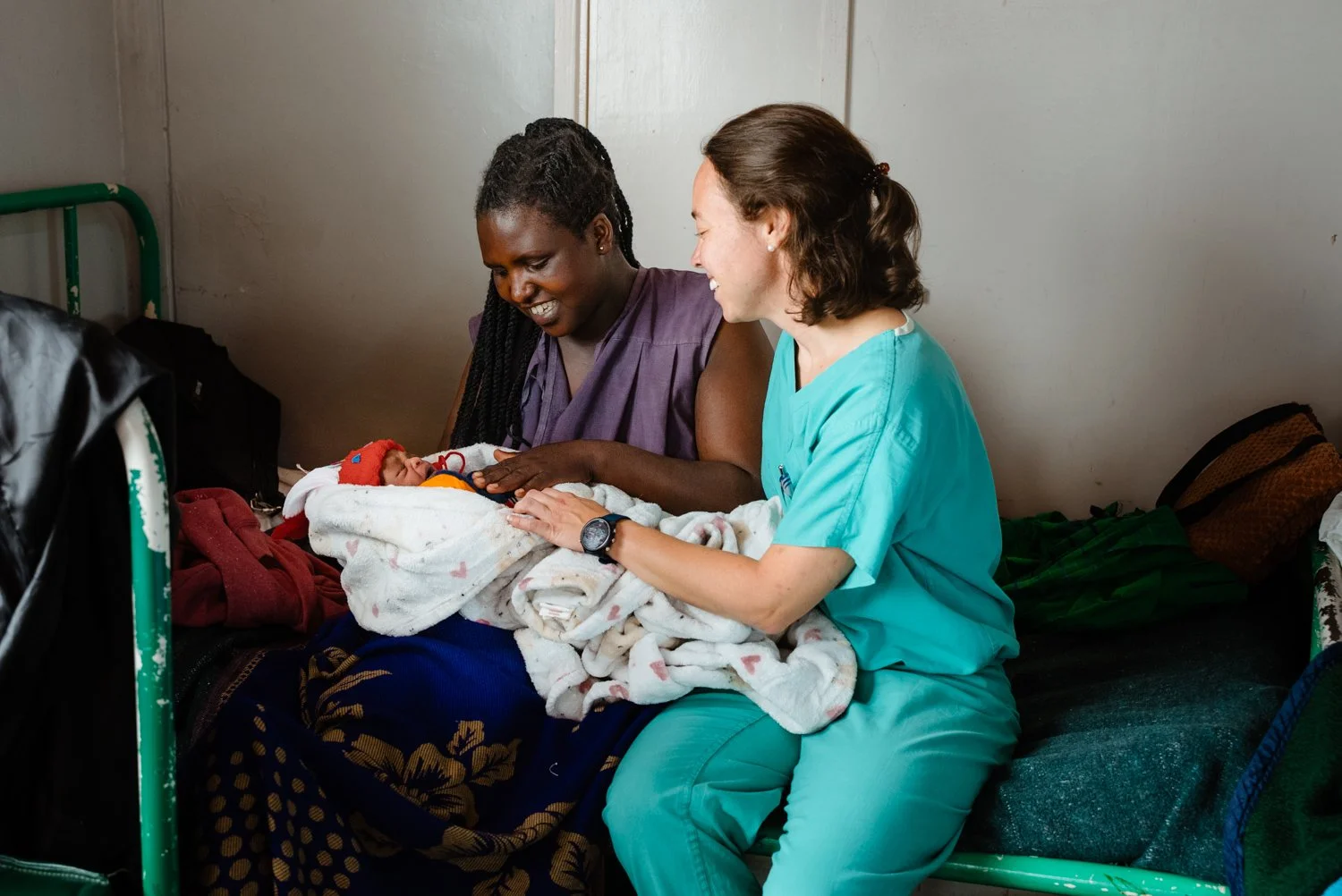
After losing her first two babies, Vivian received early care and intervention during her third pregnancy. This time, she went home with a healthy baby boy in her arms—a beautiful reminder of why early prenatal care matters.
When we asked how she felt, her first answer was simple.
“Happy. Very happy. Getting a baby is not something small,” she said. “It is a great change in my life.”
Friends of Kapsowar’s First Prenatal Visit Program covered the early visit that brought Vivian through the door, including her ultrasound, initial laboratory tests, and prenatal booklet. This gave her medical team the opportunity to recognize the risk while there was still time to help.
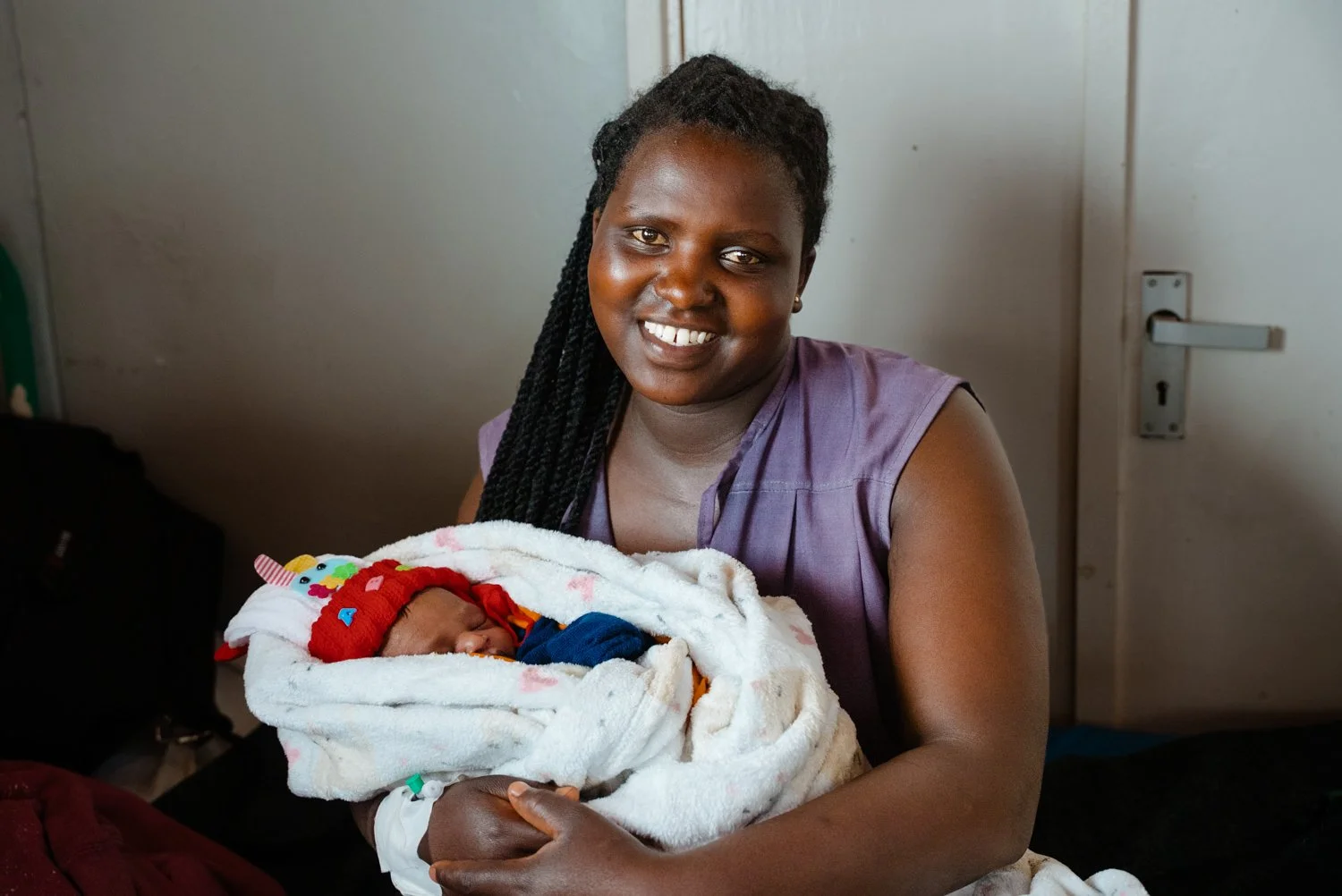
Vivian and her healthy baby—one of the many reasons we’re grateful for your generosity.
Vivian had a message for the people who made that care possible:
“I would like to thank them. May God bless them abundantly.”
Early prenatal care cannot guarantee that every pregnancy will end this way. But it gives mothers and their doctors the chance to recognize problems early and respond.
Twice before, Vivian had left without her baby. This time, she went home with her son.
Your support gives mothers something many of us take for granted: the chance to receive care early, understand what is happening, and hope to carry their babies safely home.
For Vivian, and every mother given that chance because of your generosity—thank you.