
A Cry From the Box
It was a day Winny had been waiting for for nine months.
As labor pains began, she made her way to a small health dispensary near her home in rural Kenya. For many families, these clinics are the first—and often only—point of care. They are close, accessible, and free for delivery. But they are also deeply under-resourced, often staffed by a single nurse with limited equipment and supplies.
For mothers without the means to afford even the modest cost of annual health insurance—about $30—delivering at a hospital like Kapsowar is often out of reach.
That day, Winny gave birth to a baby boy.
But he did not cry.
In the absence of the tools and support needed to resuscitate and care for a premature infant, the nurse made a quick assessment. The baby was too small. Too fragile. There was nothing to be done.
Winny was handed her child in a box and told to go home and bury him. The umbilical cord had not even been cut.
Heartbroken and exhausted, just hours after delivering her baby, Winny climbed onto a motorcycle to make the journey home.
But along the way, something unexpected happened.
From inside the box—there was a sound.
A cry.
Her baby was alive.
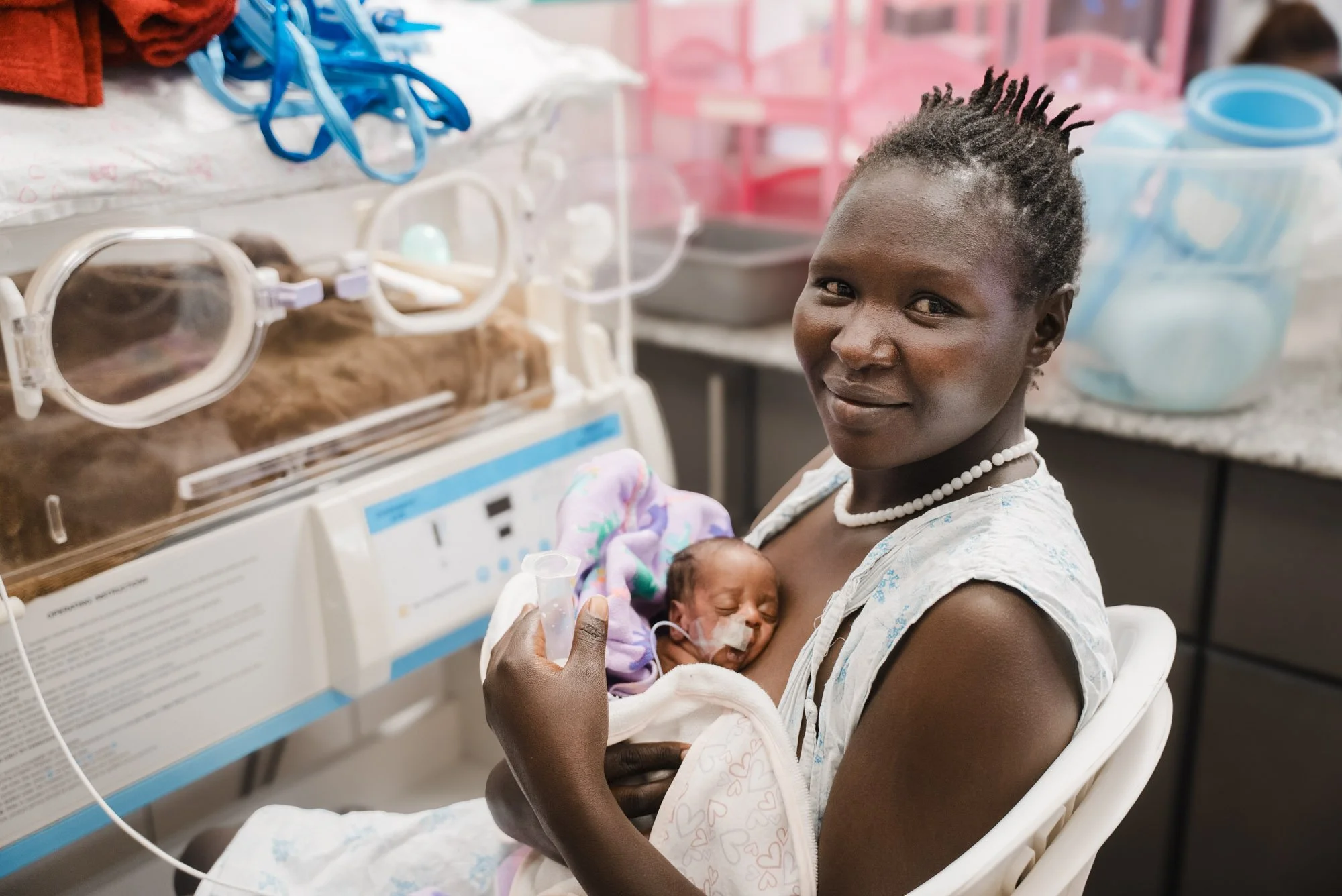
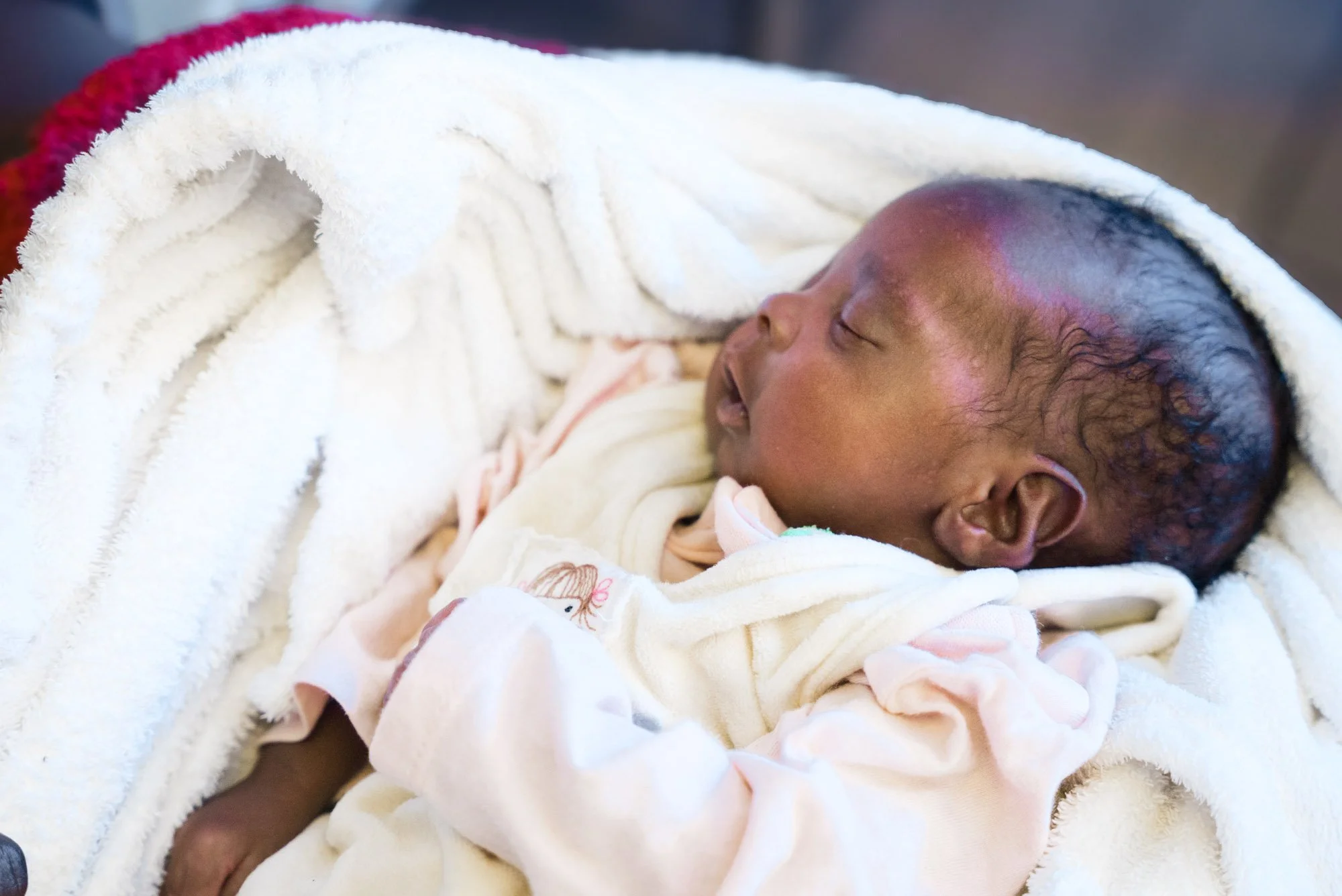
Winny and her son, several days after arriving at Kapsowar Mission Hospital.
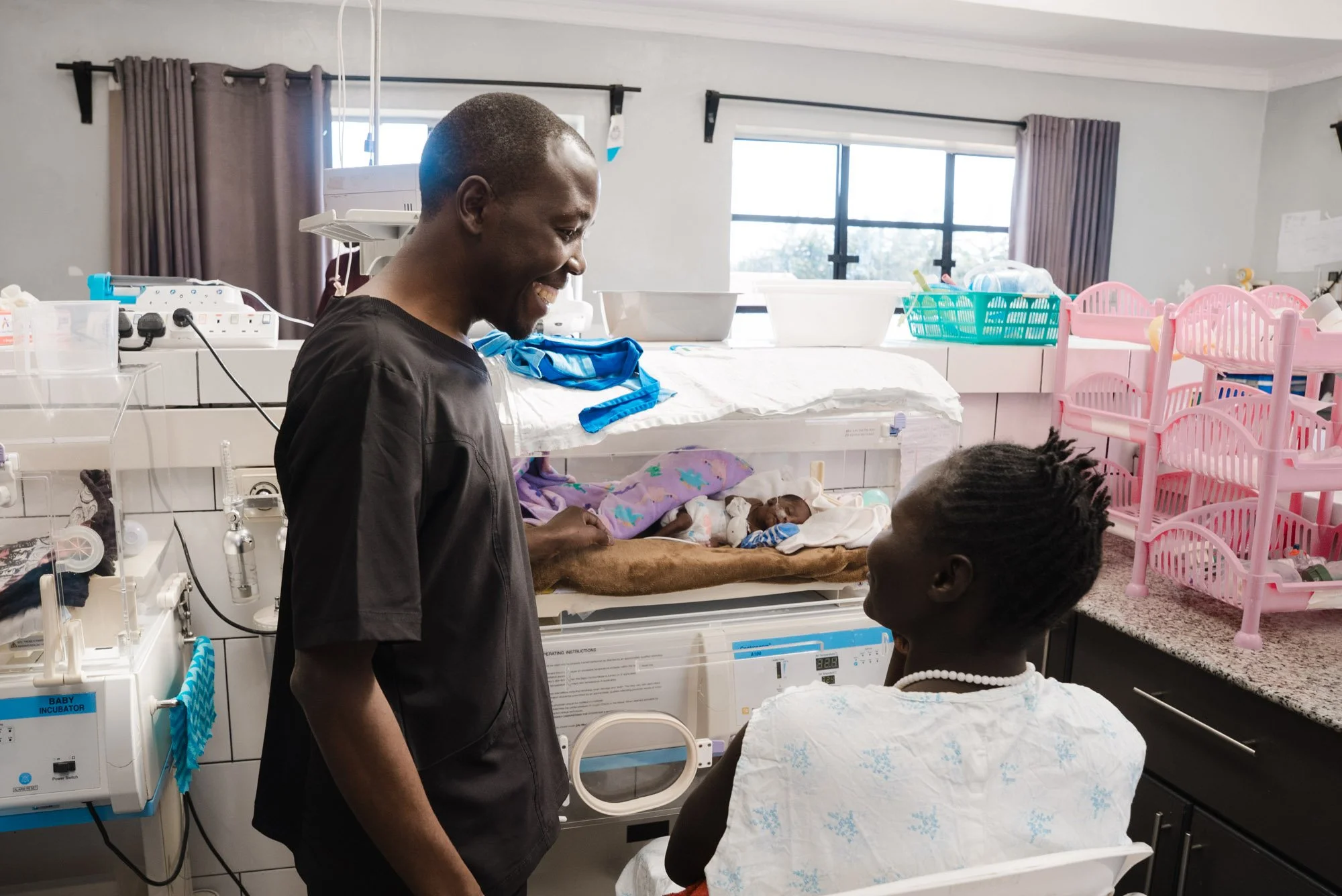
Dr. Tadeo, who first received Winny and her son at the hospital, discusses their plan of care with her in the newborn unit.
When Winny arrived at the hospital, the newborn team—led by Dr. Tadeo that day—rushed into action. The baby was so severely hypothermic that his temperature couldn’t even be detected. Their first priority was to warm him, followed quickly by IV fluids and antibiotics.
This baby—born at 30 weeks and weighing just 2.2 pounds—was small, but not beyond hope.
Day by day, Winny stayed by her baby’s side. She held him close, skin-to-skin, hour after hour. She fed him, watched him, waited with him.
And slowly, he grew stronger.
After 47 days, Winny walked out of Kapsowar Mission Hospital with her son in her arms.
Alive.
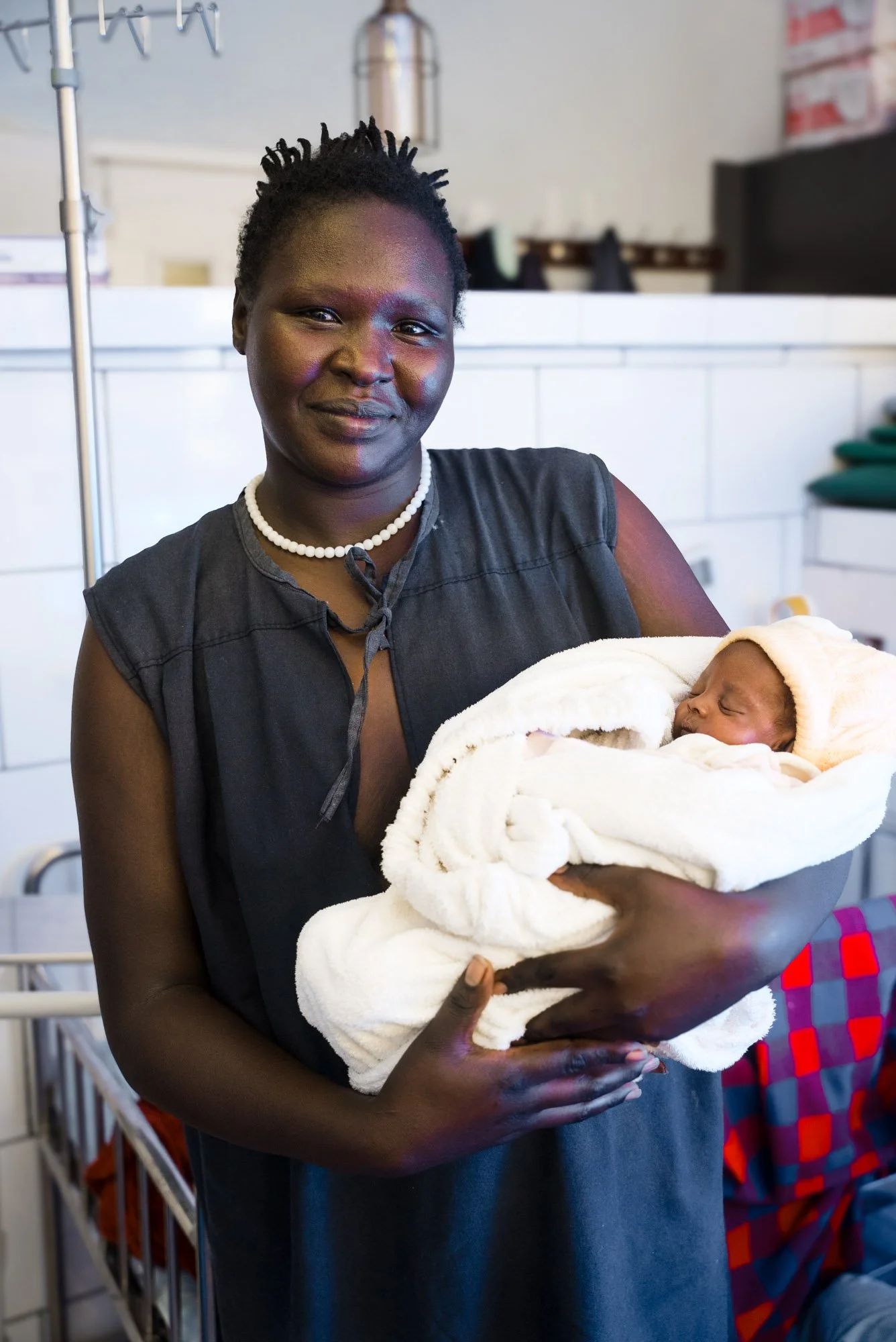
Winny and her son grateful to be going home.
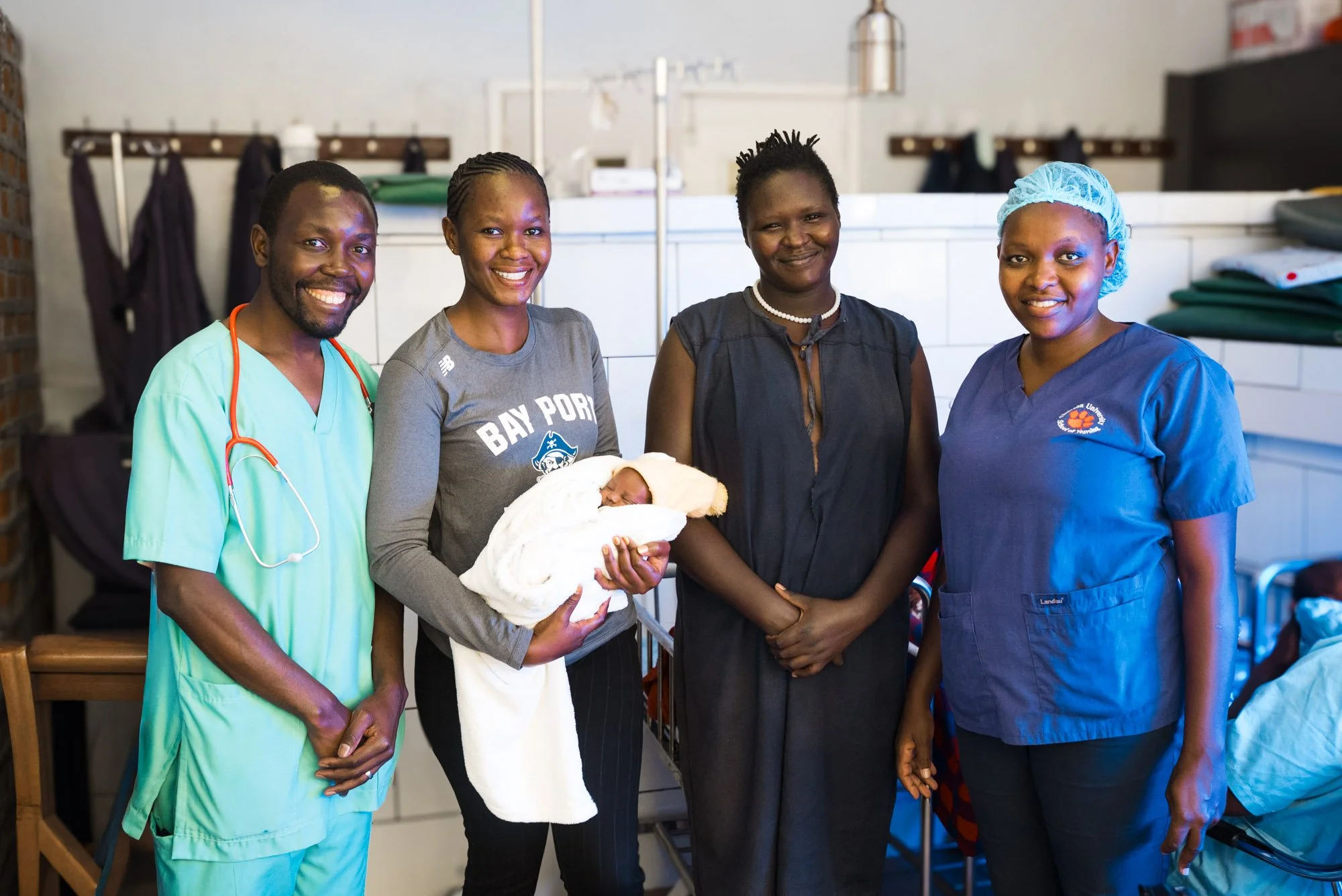
The team who walked with Winny and her son through his care: Dr. Tadeo, clinical officer Simati (holding her son), Winny, and newborn nurse Nora.
Stories like Winny’s are not just stories of survival—they show what becomes possible when care is accessible.
The difference between life and death is often not complexity—it is access: to skilled providers, simple lifesaving care, and a place that says, this life is worth fighting for.
Winny’s son, now going home in his mother’s arms.